J.P. Morgan Exec Highlights Workforce Housing Strategy Through Unique Property Tour

Joshua Jumarie / Unsplash
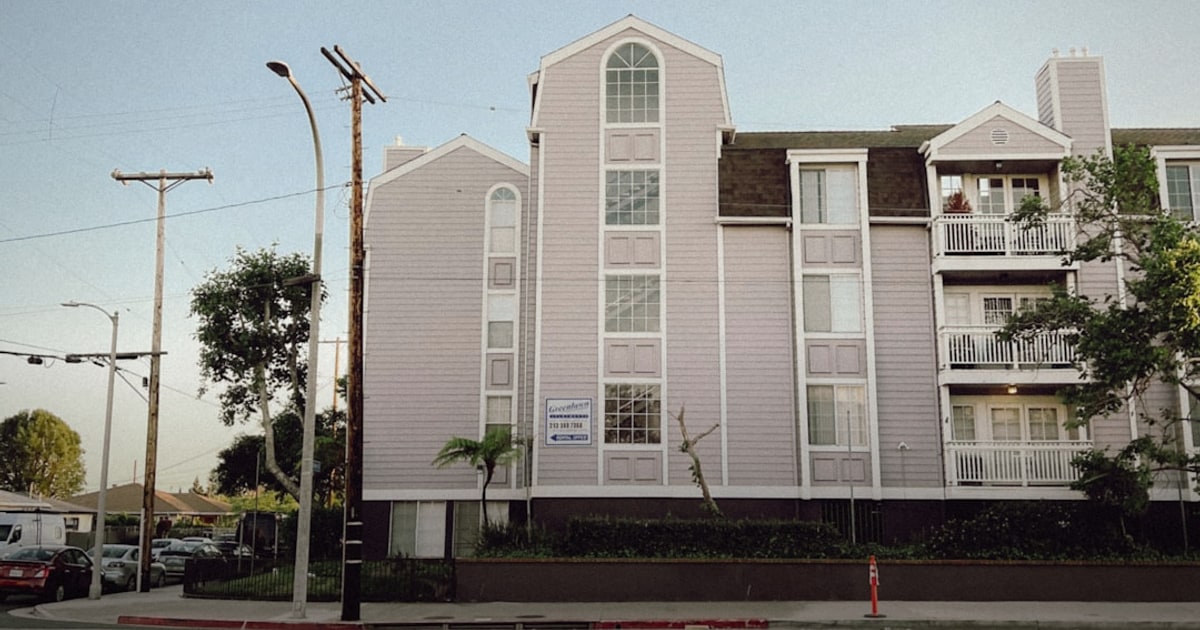
In an innovative twist on traditional property tours, J.P. Morgan's Kurt Stuart has been showcasing the firm's commercial real estate investment philosophy through running tours that highlight key multifamily assets. The approach reflects a broader strategy centered on workforce housing investments, particularly in coastal markets where supply constraints and strong demand fundamentals create compelling investment opportunities.
Stuart, who leads commercial real estate initiatives at the financial giant, has identified workforce housing as a critical area of focus amid evolving market conditions. These properties, which cater to essential workers and middle-income renters, have demonstrated remarkable resilience even as other asset classes face headwinds from interest rate pressures and economic uncertainty.
Key Details
The properties featured on Stuart's running tours share several common characteristics that align with J.P. Morgan's investment thesis:
- Geographic concentration in coastal markets where physical and regulatory barriers limit new development
- Strong vacancy rate fundamentals driven by persistent housing demand in desirable locations
- Durable cash flow profiles that have historically weathered economic cycles effectively
- Essential service worker tenant bases that provide stability during market downturns
The focus on workforce housing represents a strategic bet on demographics and affordability challenges that continue to intensify in major metropolitan areas. According to Commercial Observer, these coastal markets share critical attributes: supply constraints, strongly durable cash flows, and high desirability as places to live, all contributing to favorable vacancy rate dynamics.
Market Impact
For commercial real estate professionals, J.P. Morgan's public emphasis on workforce housing signals several important market trends. First, institutional capital continues to gravitate toward asset classes with defensive characteristics and predictable income streams. Workforce housing, with its essential tenant base and limited new supply in target markets, fits this criteria precisely.
Second, the focus on coastal markets despite higher acquisition costs suggests that institutional investors prioritize market fundamentals over yield chasing. The supply-constrained nature of these markets provides a natural moat against competitive pressure from new development.
Finally, the emphasis on running tours reflects a growing trend toward experiential due diligence and relationship-building in CRE investment circles. Physical proximity to assets and deep market knowledge remain competitive advantages even in an era of data-driven investment analysis.
For investors and developers, the message is clear: workforce housing in supply-constrained coastal markets remains a favored institutional asset class with strong long-term fundamentals.
Stay Ahead of the Market
Get breaking CRE news, market reports, and analysis delivered to your inbox every morning.